
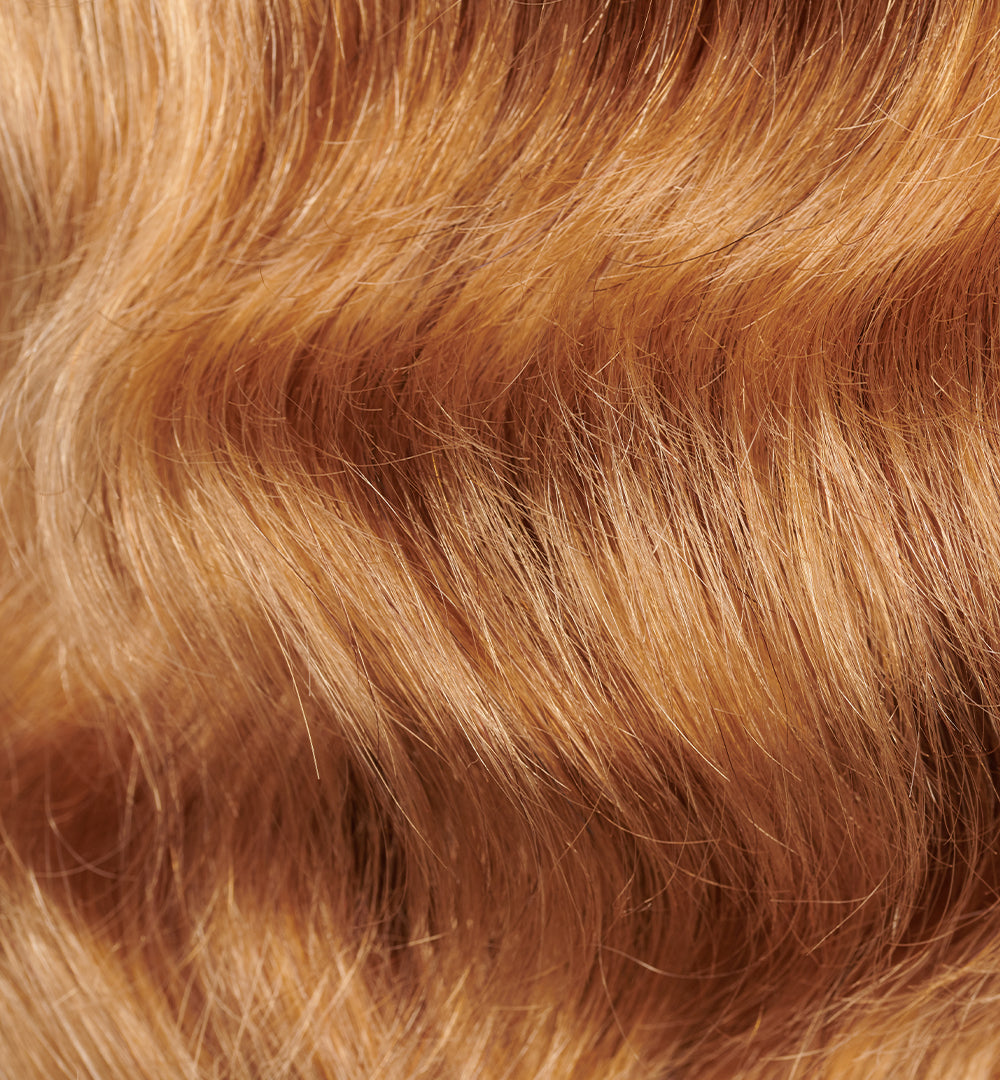
Frizz is one of the most common and annoying hair problems: hair looks dry, shapeless, and difficult to manage. This phenomenon, also known as frizz, is related to a lack of hydration and exposure to external factors. In this article, you'll discover what causes frizzy hair and how to control it with professional treatments and routines from TrendyHair.
What is hair frizz?
Frizz occurs when the hair cuticle opens, allowing moisture from the environment to penetrate the hair fiber. As a result, hair loses its softness and becomes frizzy.
Main causes of frizzy hair
-
Lack of hydration and nutrition in the hair fiber.
-
Heat damage : flat irons, hair dryers or curling irons.
-
Aggressive chemical processes such as dyes or bleaching.
-
Environmental factors : humidity, cold or wind.
-
Hair type : Curly and fine hair is more prone to frizz.
How to control frizzy hair
Deep hydration and nutrition
Frizzy hair is often dehydrated. Professional masks and conditioners provide the moisture it needs to regain softness.
Professional anti-frizz treatments
Rituals like Elastic and TrendyHair's Re-Elixir help seal the cuticle and prevent hair from absorbing external moisture.
Serums and heat protectors
Using hair serums on the mid-lengths and ends reduces frizz, while heat protectants prevent further heat damage.
Constant care routine (H3)
-
Wash with mild anti-frizz shampoos.
-
Apply mask once or twice a week.
-
Avoid rough brushing and prefer wide-toothed combs.
Why some hair is more prone to frizz
Not all hair reacts the same to humidity or heat. Its structure determines how frizzy it becomes:
-
Curly or wavy hair: Its spiral shape prevents the scalp's natural oils from being distributed evenly, so it dehydrates easily.
- Fine hair: The cuticle is more sensitive and opens quickly, allowing moisture to enter.
- Thick or chemically treated hair: It tends to have irregular porosity, which causes localized frizz.
Ingredients that combat frizz and seal the cuticle
Professional anti-frizz treatments contain a combination of active ingredients that control humidity and improve hair texture:
-
Keratin Amino Acids: They repair damaged areas of the fiber and strengthen the structure.
-
Manuka oil and hyaluronic acid: deeply hydrate and soften the hair surface.
-
Vegetable proteins and collagen: seal the cuticle and provide elasticity.
-
Ginseng and camellia: protect against environmental humidity and provide shine.
- Purifying botanical extracts: reduce static electricity and balance the scalp.
Weekly anti-frizz routine for more disciplined hair
A consistent routine is essential to keeping frizz under control. Here's a simple guide:
Monday – Balancing Cleansing: Use a gentle shampoo with keratin or ginseng to cleanse without over-drying.
Wednesday – Nourishing Mask: Apply Ritual Manuka for 10 minutes; wrap your hair in a warm towel to enhance absorption.
Friday – Deep Repair: Use Ritual Elastic or Re-Elixir to seal the fiber and strengthen the cuticle.
Sunday – Finishing serum: Apply a few drops to the mid-lengths and ends to maintain hydration and control frizz.
🔥 If you use heat tools, don't forget to apply a protectant before drying. Consistency is key to smoother, more manageable hair.
Recommended TrendyHair products
- Manuka Ritual → deep hydration against dryness.
- Ritual Elastic → Intensive repair that combats frizz.
- Glow Up Ritual → mask that provides luminosity and softness without greasing.
- Hair serums → seal the fiber and provide immediate shine.
Frizzy hair can be controlled with a combination of hydration, professional treatments, and proper routines. Choosing specialized products like TrendyHair's guarantees softer, shinier, and frizz-free hair in any situation.
FAQ
Is frizzy hair always due to humidity?
No. While humidity is a key factor, frizz can also be caused by dryness, heat damage, or lack of proper care.
What is the difference between frizz and frizz?
They're the same thing. Frizz is the English term for frizz; both describe the same hair problem.
Does a professional straightening eliminate frizz?
It helps control it, but it's best to complement it with hydration and repair treatments to maintain the long-term effect.
What daily routine helps reduce frizz?
Use anti-frizz shampoos and conditioners, apply serum to your ends, and avoid excessive heat.


Shampoo for oily hair: which is the best and how to use it
Hydrating masks: how to choose the best one for your hair